Ecotourism in Cantabria
Nature, routes and sustainable experiences
Ecotourism
The ZEC Valles Altos Nansa, Saja and Alto Campoo covers an area of 51,098.5 hectares in the Nansa Valley, Polaciones and high areas of Tudanca, Rionansa and Lamasón. This area is a natural jewel, standing out for its emblematic forests such as Monte Saja, Puerto de Sejos, and peaks such as Cornón, Peña Labra and Tres Mares, harboring a great diversity of flora and fauna, including endemic species such as the Narcissus pseudonarcissus nobilis and N. asturiensis daffodils, and found in Alto Campoo the eastern limit of the brown bear recovery area in the region.
Along the valleys of the Nansa, Saja and Híjar rivers, in the Cantabrian Mountains, this protected area exhibits a varied range of natural habitats typical of the Atlantic mountains, a mountainous landscape that, influenced by livestock intervention, has shaped environmental mosaics of great value, modeling pastures and passes. Although each basin presents particularities, such as the southern slope of the Híjar, where natural conditions differ, in general, the presence of scrublands, forests, passes, pastures and summits stands out, with special attention to the conservation of extensive areas of heathlands, grassy formations and riparian forests.
Along the valleys of the Nansa, Saja and Híjar rivers, in the Cantabrian Mountains, this protected area exhibits a varied range of natural habitats typical of the Atlantic mountains, a mountainous landscape that, influenced by livestock intervention, has shaped environmental mosaics of great value, modeling pastures and passes. Although each basin presents particularities, such as the southern slope of the Híjar, where natural conditions differ, in general, the presence of scrublands, forests, passes, pastures and summits stands out, with special attention to the conservation of extensive areas of heathlands, grassy formations and riparian forests.
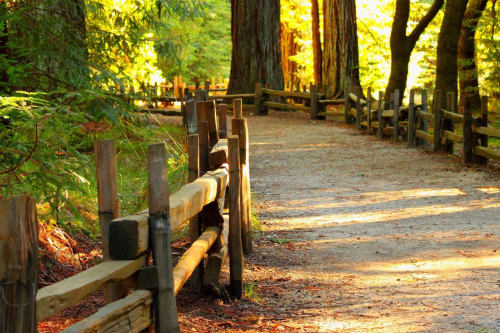
Hiking
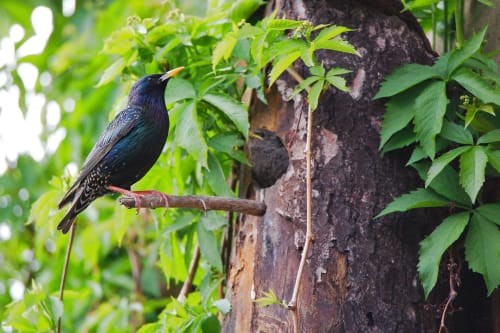
Saja Nansa
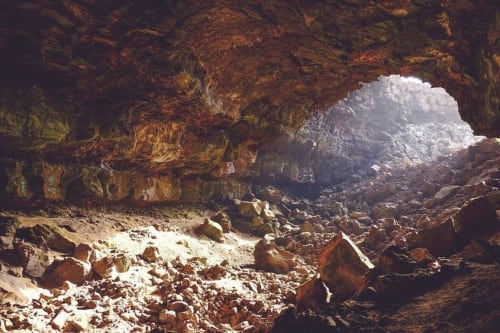
Cultural Tourism
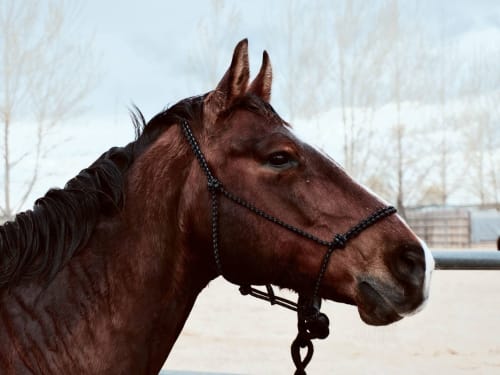
Active Tourism